Boys of Bangladesh (Sylhet)
Boys of Bangladesh (Sylhet)
We Boys of Bangladesh (Sylhet) explains clearly how HIV and hepatitis B are transmitted, why LGBTQ people in Sylhet can face increased risk, and what practical steps you can take to protect your health. It is presented in a professional, non-judgemental style and is designed for local use in Sylhet, Bangladesh. The video outlines the main routes of transmission for both infections: sexual contact and exposure to infected blood for HIV, and sexual contact, blood exposure and mother-to-child transmission for hepatitis B. It also explains why hepatitis B is highly infectious and why vaccination matters. The content highlights common scenarios of increased risk for LGBTQ people in our community, including stigma and discrimination that can discourage people from seeking testing and care, lack of culturally competent services, and barriers such as cost, confidentiality concerns and fear of disclosure. Practical information in the video covers testing and follow-up. You will learn about rapid HIV tests and confirmatory testing, hepatitis B screening (including HBsAg testing), what results mean, and the importance of regular testing for people with ongoing risk. The video describes what to expect at a confidential testing appointment — private pre‑test counselling, informed consent, sample collection, and post‑test support — and how Boys of Bangladesh (Sylhet) supports each step. Prevention and treatment options are presented in clear, actionable terms: correct and consistent condom use, safer-sex practices tailored to different sexual activities, harm reduction for people who inject (do not share needles or injecting equipment), hepatitis B vaccination and completion of the recommended three-dose course, access to HIV pre-exposure prophylaxis (PrEP) where available, and rapid access to post-exposure prophylaxis (PEP) after a potential exposure. The video also explains linkage to antiretroviral treatment for people living with HIV and the benefits of early care. How Boys of Bangladesh (Sylhet) can help: we provide confidential, non-judgemental testing services and counselling in Sylhet, referrals for hepatitis B vaccination through local clinics, support to access PrEP and PEP, and linkage to HIV treatment services when needed. Our team offers appointments and private consultations in Bangla and Sylheti, and we work with partner clinics to protect your confidentiality and dignity. If you have had a recent exposure or are worried about your risk, contact Boys of Bangladesh (Sylhet) for immediate advice and to arrange a confidential appointment. Watch the full video to get step-by-step guidance and local contact options, or get in touch with Boys of Bangladesh (Sylhet) through our official channels for personalised support and to book confidential testing.
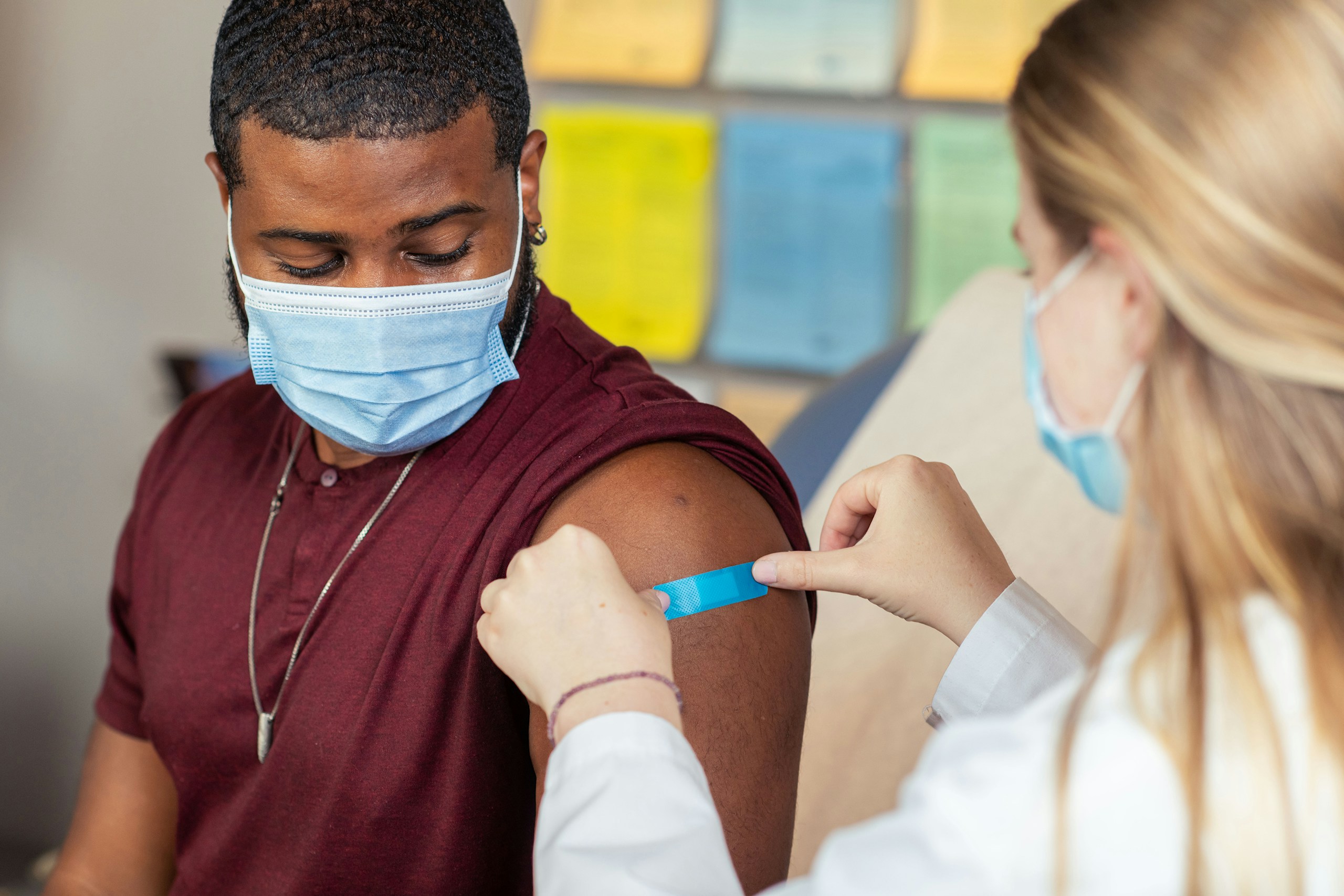
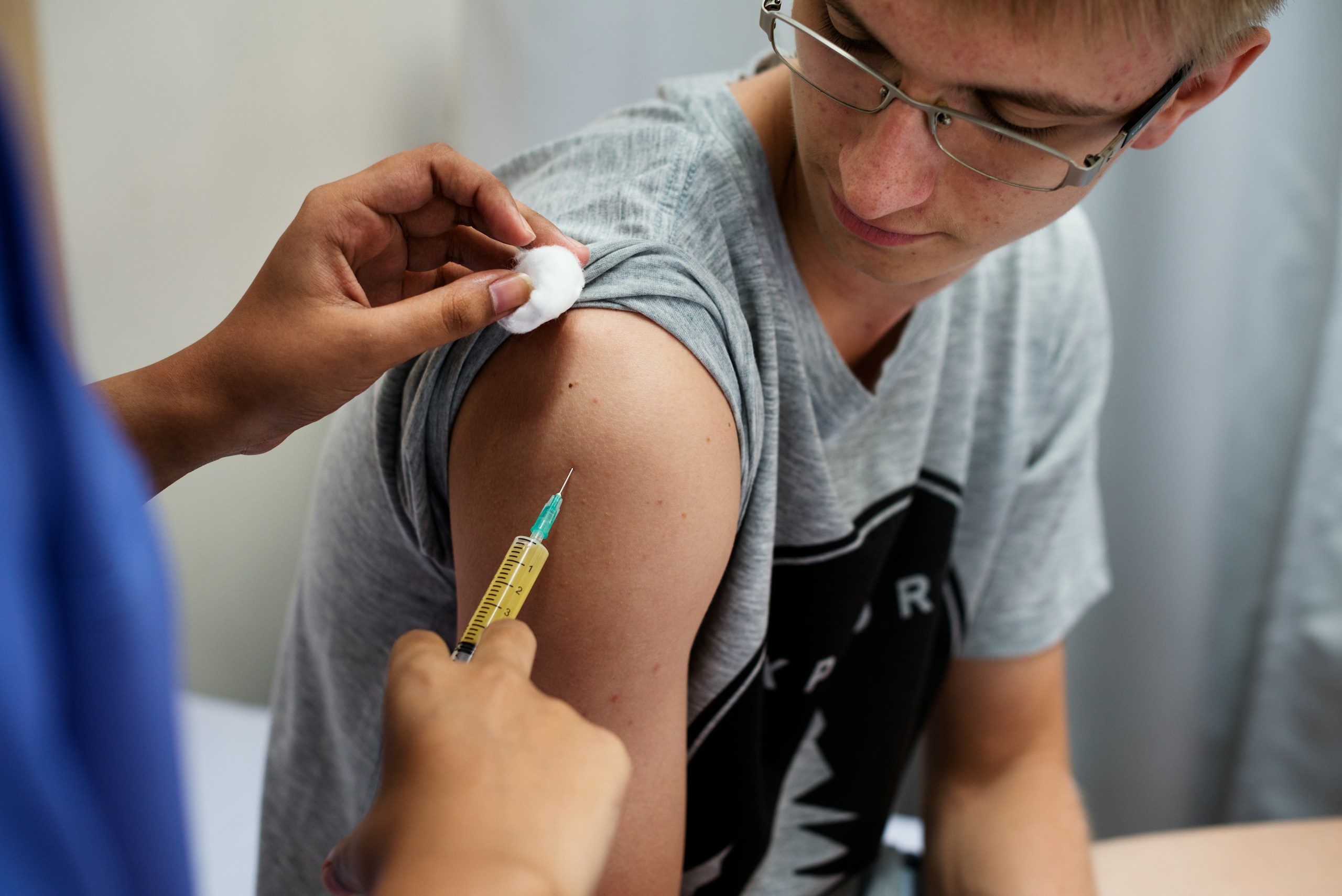
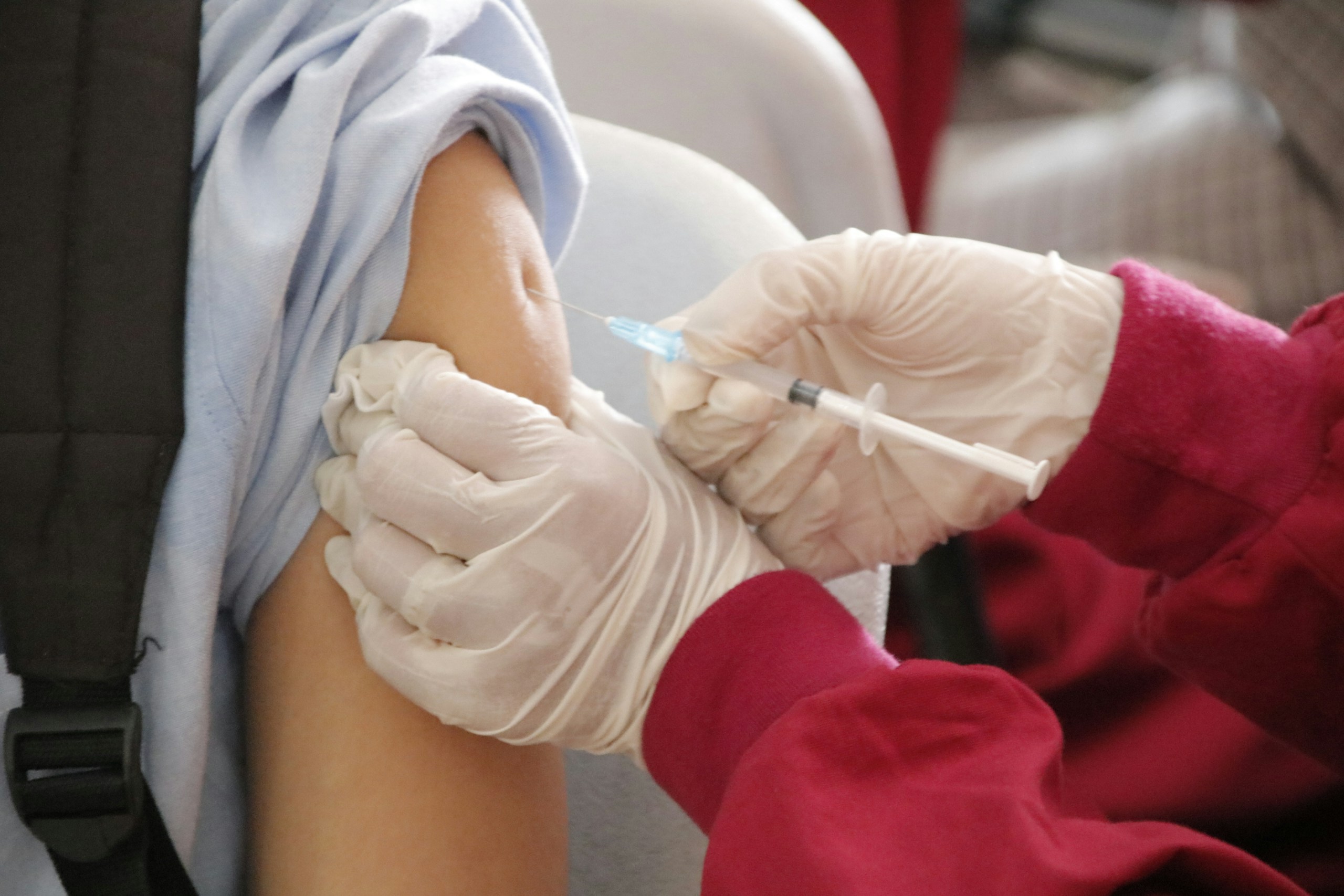
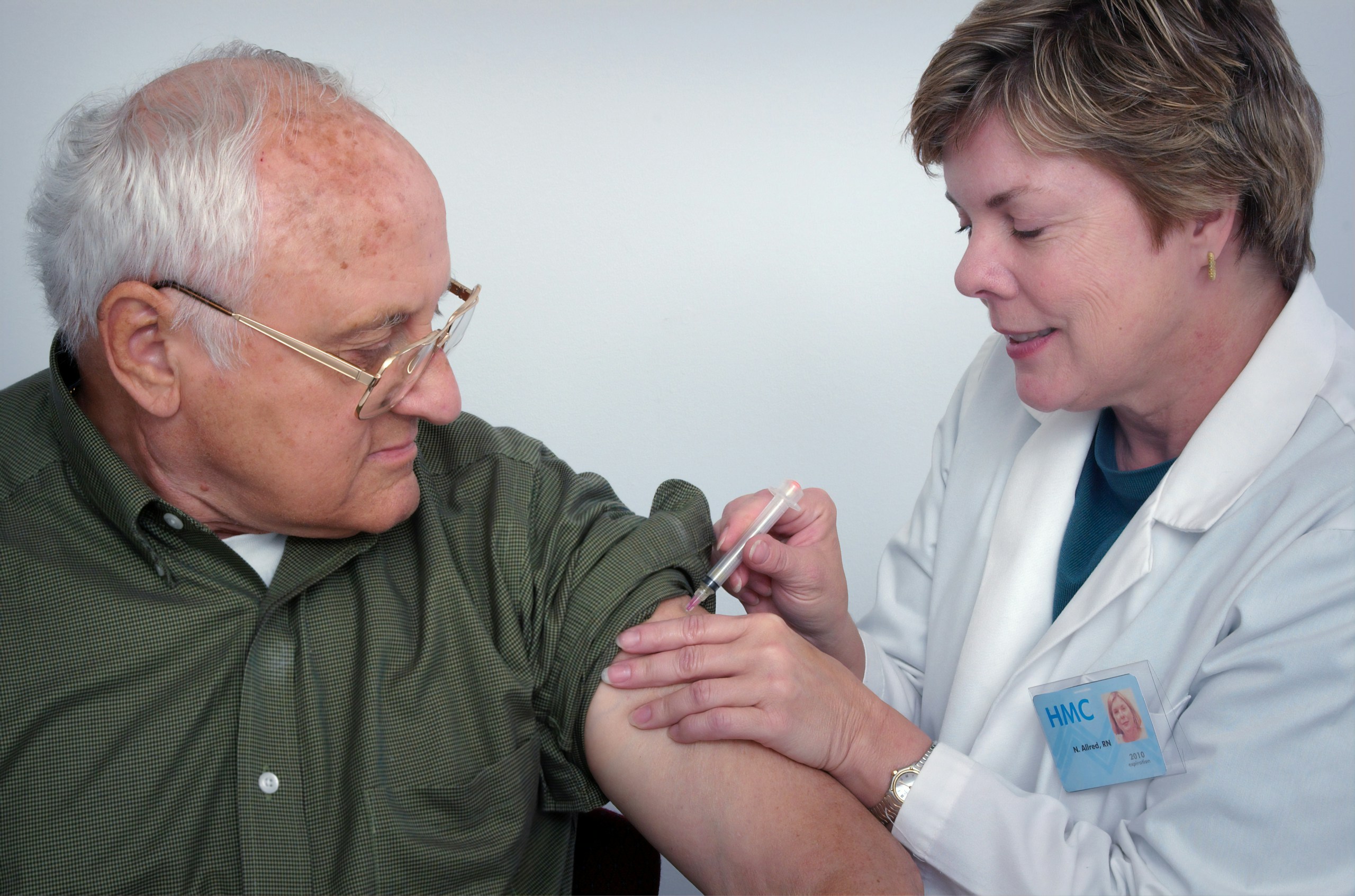
Hepatitis B is a viral infection that can lead to long‑term liver damage. For people who have sex with men and other members of the LGBTQ community in Sylhet, vaccination is the most effective prevention. The standard course is three doses, typically given at zero, one and six months. Before vaccination, it is helpful to check hepatitis B surface antigen (HBsAg) if you suspect past infection; if you are already living with HIV, vaccination is still important but antibody responses should be checked afterwards. Boys of Bangladesh (Sylhet) can advise on where to obtain the vaccine locally and can refer you to government immunisation clinics or trusted private providers. Keep your immunisation record and avoid sharing razors or needles to reduce transmission risk.
Consistent and correct condom use remains a highly effective way to reduce sexual transmission of HIV and other sexually transmitted infections. Condoms are available from local pharmacies, clinics and through distribution by Boys of Bangladesh (Sylhet) at outreach sessions. Pre‑exposure prophylaxis (PrEP) is a daily medication that greatly reduces the risk of acquiring HIV for people at ongoing risk; event‑driven PrEP may also be appropriate for some men who have sex with men. PrEP requires baseline screening (including an HIV test and kidney function check) before starting and regular follow‑up. Post‑exposure prophylaxis (PEP) must be started as soon as possible and within 72 hours of a potential exposure; present to an emergency department, a designated clinic or seek immediate referral through Boys of Bangladesh (Sylhet). If you are unsure which option suits you, the outreach team can discuss risks and next steps confidentially.
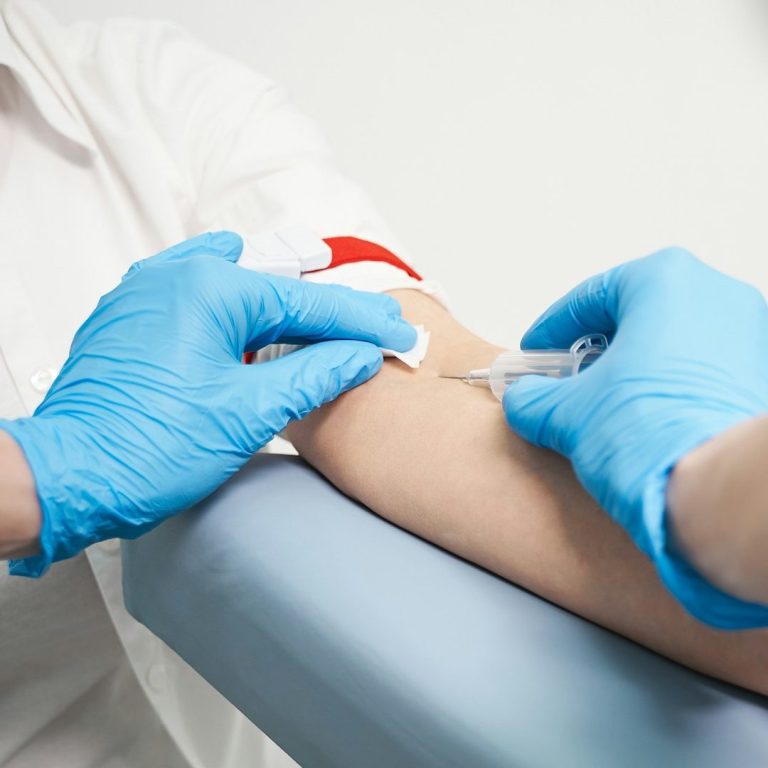
Accurate diagnosis begins with the right test and timely follow‑up. Rapid screening tests are widely used to give quick results; a reactive rapid test will require a confirmatory laboratory test according to national guidelines. Be aware of the window period: repeat testing is recommended if exposure was recent. Boys of Bangladesh (Sylhet) provides confidential pre‑ and post‑test counselling, can arrange or refer you for rapid testing, and will support linkage to confirmatory testing and treatment services. Government testing services under the National AIDS/STD Programme and authorised ART centres in Sylhet can provide free or subsidised testing and confirmatory diagnostics. Ask about anonymous or confidential testing options if privacy is a concern.
Effective antiretroviral therapy (ART) suppresses HIV, preserves health and prevents onward transmission. Modern ART is taken daily and typically combines drugs from different classes; tenofovir‑containing regimens are common and also provide activity against hepatitis B, so screening for hepatitis B and liver function is important before starting treatment. Immediate linkage to care after diagnosis is recommended so treatment can begin without unnecessary delay. Boys of Bangladesh (Sylhet) can help you navigate referrals to authorised ART centres and government clinics in Sylhet, explain likely side‑effects, support adherence, and arrange routine monitoring. Mental health and peer support are integral parts of long‑term care; ask about counselling and support groups if you feel isolated.
Stigma can be a major barrier to accessing care but there are practical steps you can take. Seek services that guarantee confidentiality, bring a trusted peer or a Boys of Bangladesh (Sylhet) peer navigator to appointments, and request a clinician of your preferred gender if that helps you feel safer. Boys of Bangladesh (Sylhet) offers confidential counselling, condom distribution, outreach testing referrals, vaccination and PrEP referral support, and peer‑led support groups. For clinical investigations, treatment initiation and laboratory services, use authorised government health facilities and ART centres in Sylhet; the National AIDS/STD Programme provides the overall framework for testing and free ART access. If you experience discrimination when seeking care, contact the Boys of Bangladesh (Sylhet) outreach team for assistance with complaints, referrals and legal‑rights information. For immediate support, attend a local outreach session or contact the group via their social media pages to arrange a confidential meeting.
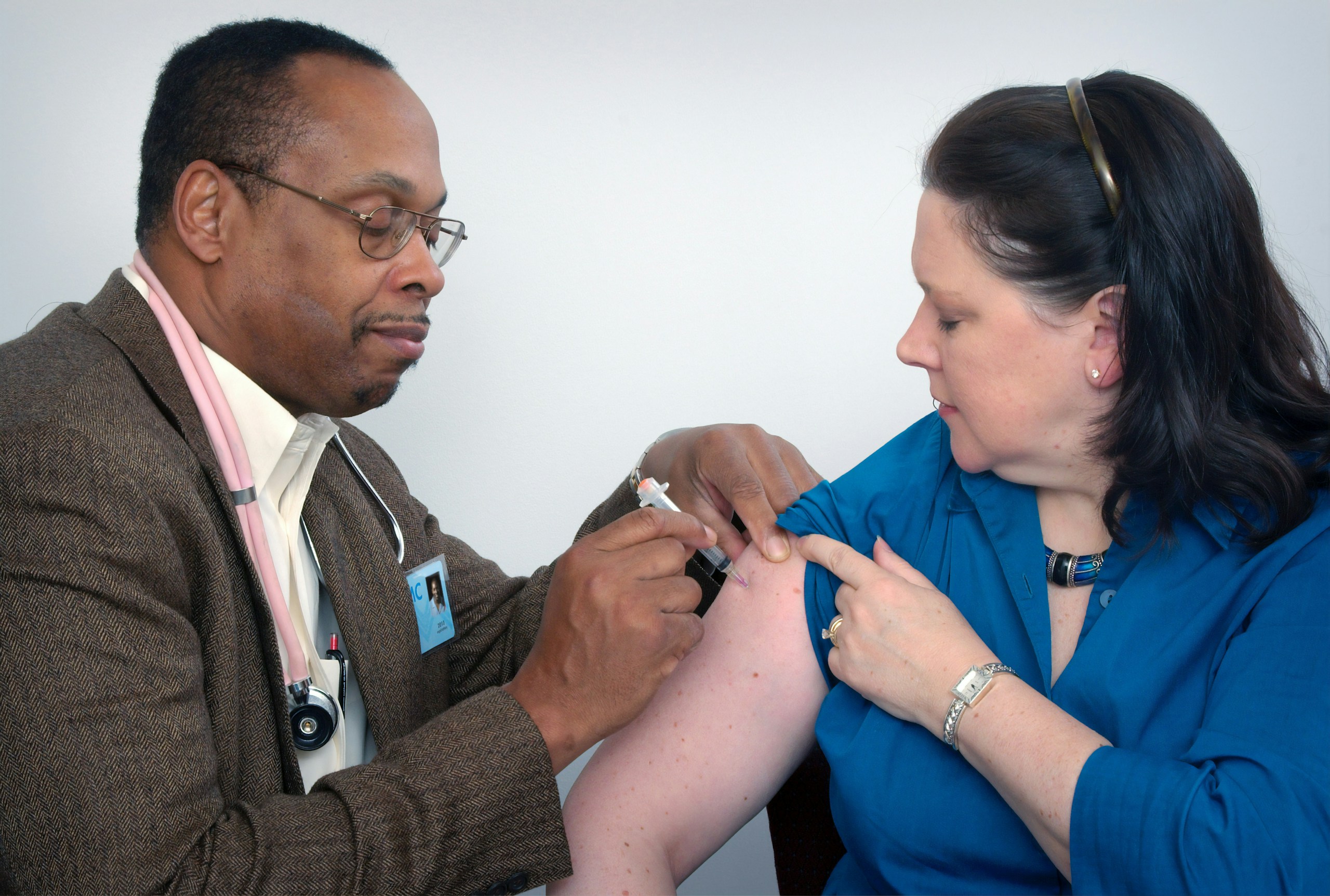
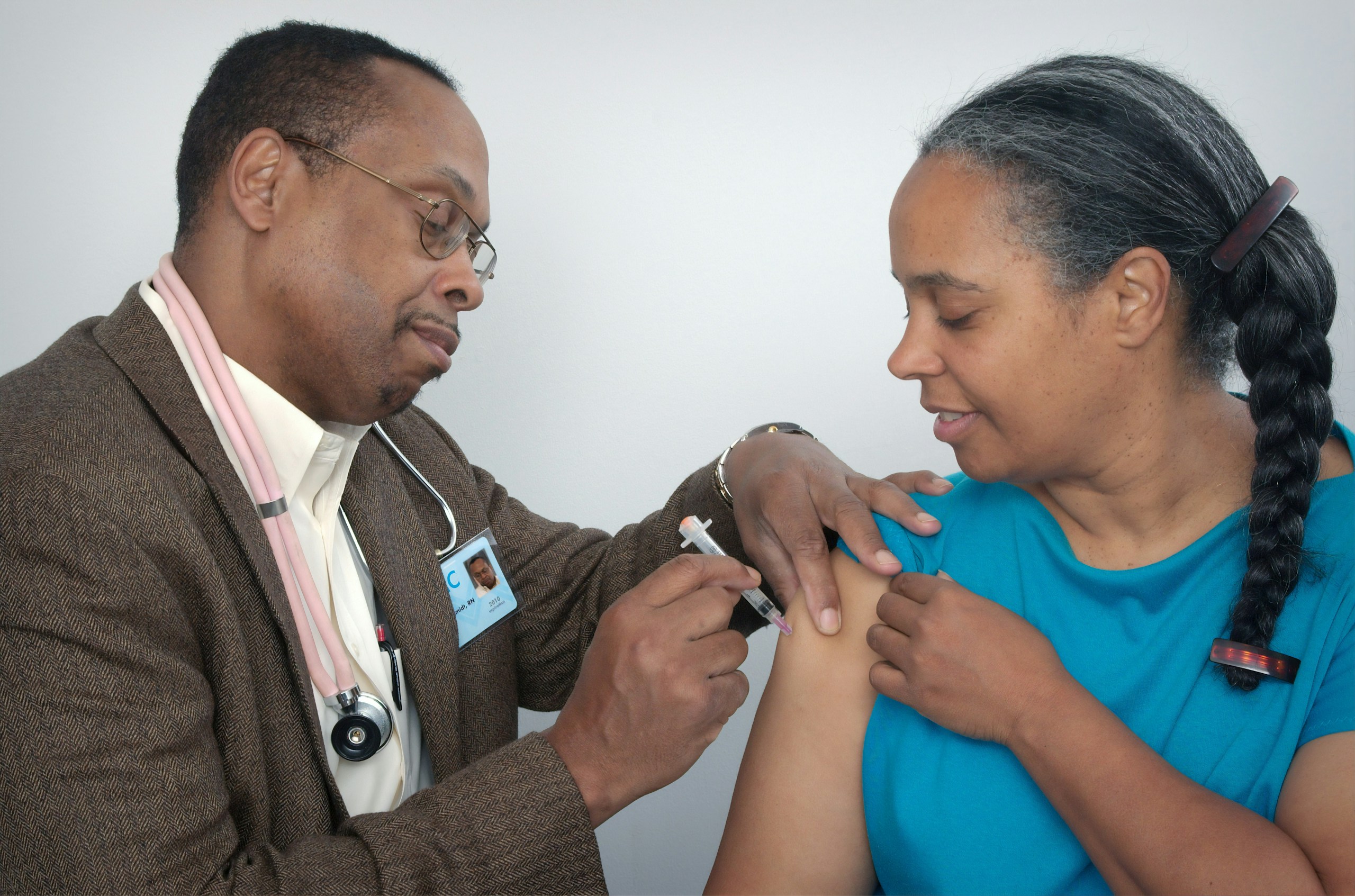
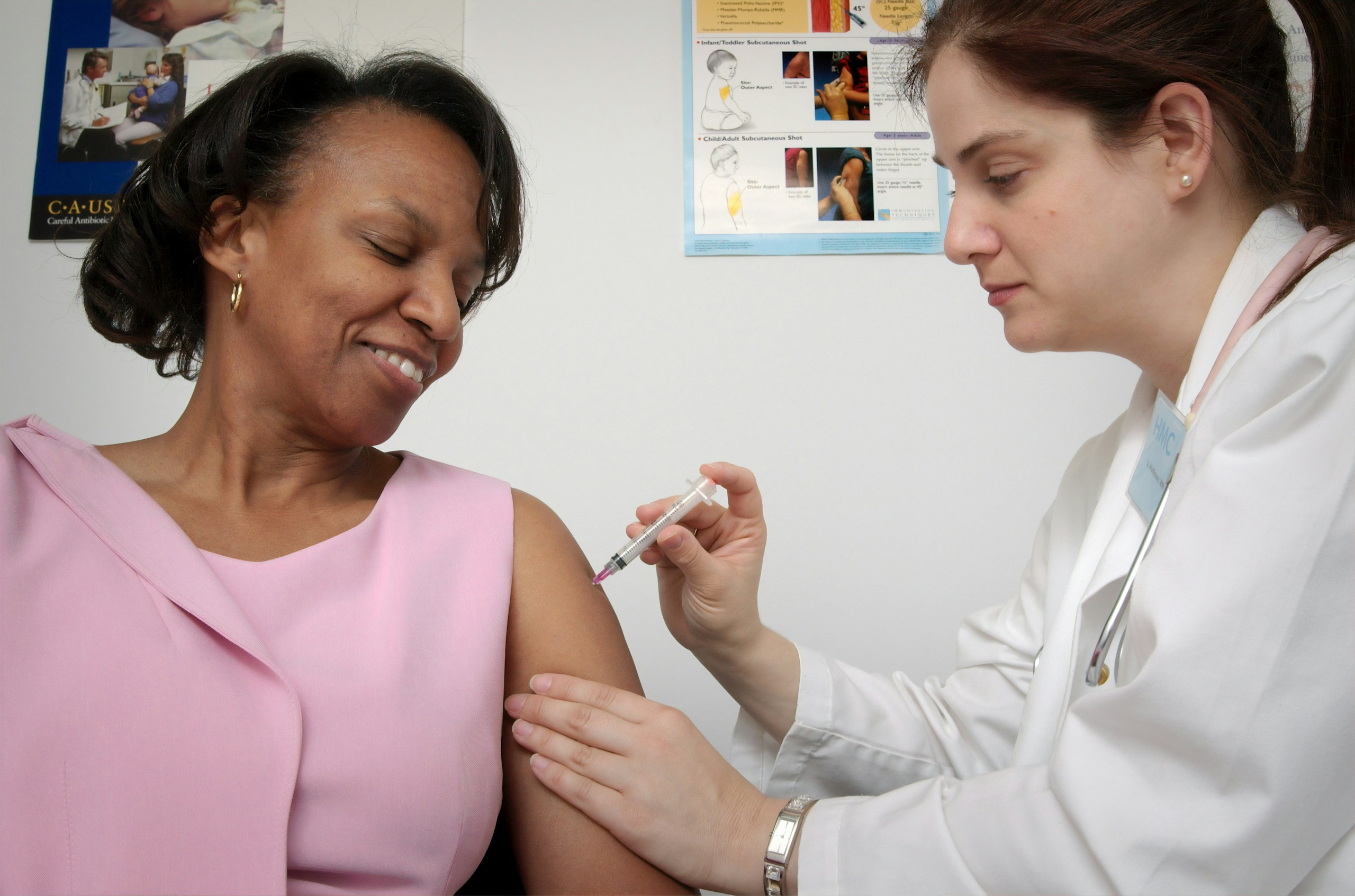
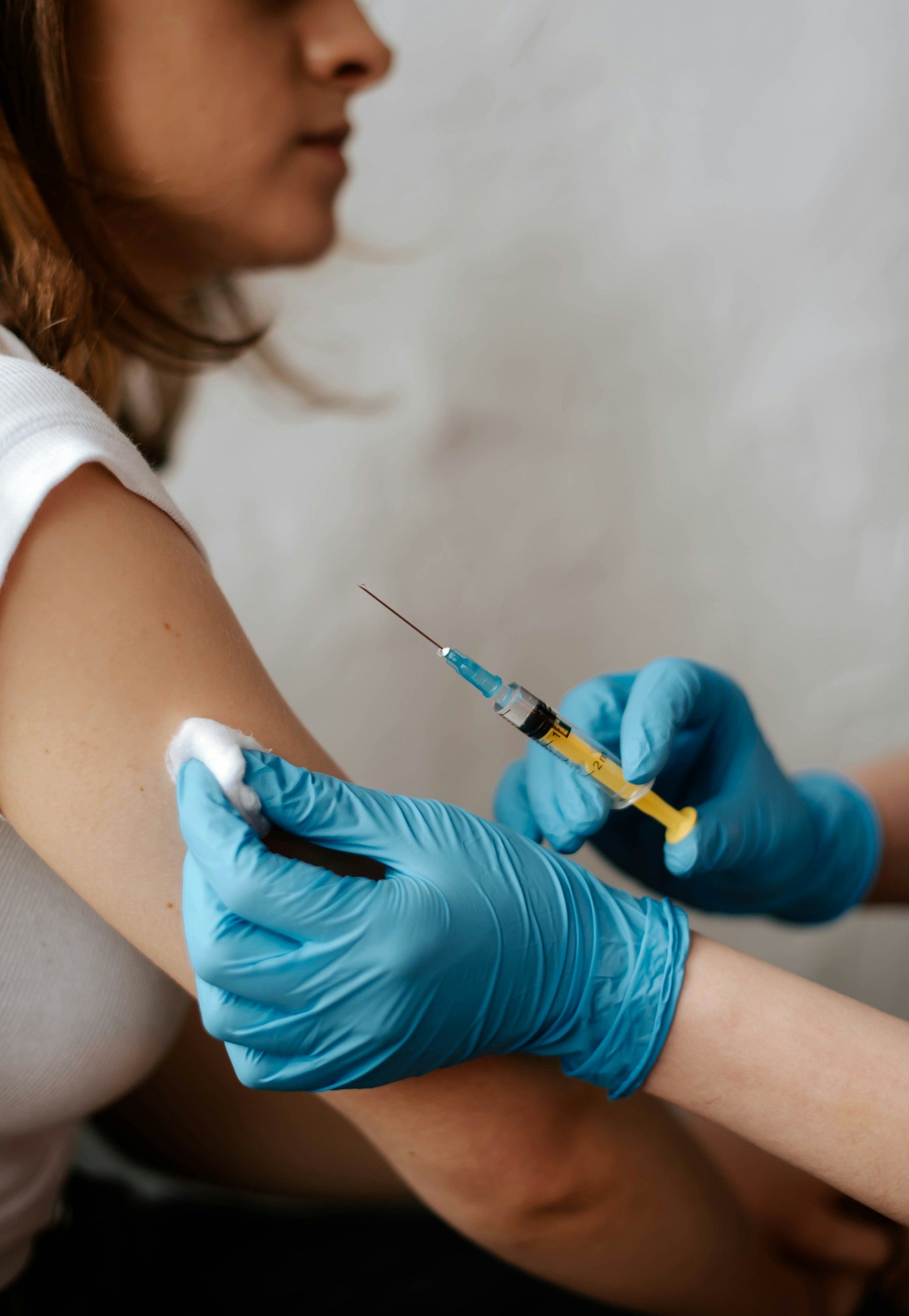
This gallery presents photographs from outreach events, mobile testing clinics and hepatitis B vaccination drives organised by Boys of Bangladesh (Sylhet) in Sylhet, Bangladesh. Images document HIV testing in community settings, on-site counselling and confidential service points tailored for the LGBTQ community of Sylhet. Photos also show distribution of condoms and lubricants, peer educator-led awareness sessions, partnership activities with local health clinics and vaccination teams administering hepatitis B protection. The collection highlights community support, visible safety resources and the confidential, non-judgemental services provided by Boys of Bangladesh (Sylhet).
We need your consent to load the translations
We use a third-party service to translate the website content that may collect data about your activity. Please review the details in the privacy policy and accept the service to view the translations.